Free Course

AI-Branding Magazine

How to Generate Images for Your Next Marketing Campaign Using AI
The AI Revolution in Marketing Imagery: A Game-Changer or a Pandora’s Box?
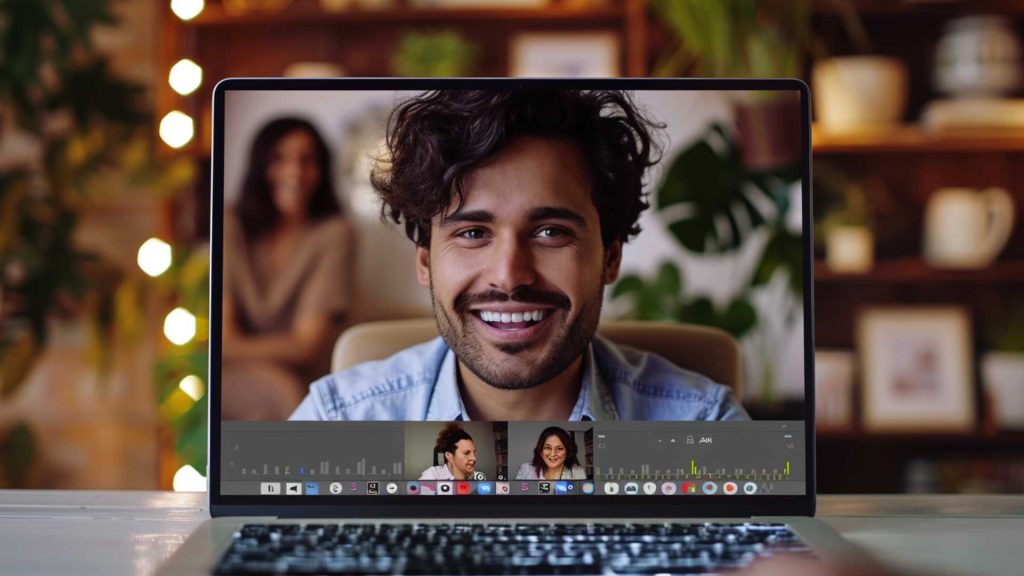
Picture this: You’re knee-deep in your latest marketing campaign, and you need the perfect image to capture your brand’s essence.
But your budget’s tighter than a hipster’s jeans, and stock photos are about as exciting as watching paint dry.
Enter AI-generated imagery, the new kid on the block that’s turning the marketing world on its head faster than you can say “neural network.”
AI imagery is rapidly becoming the Swiss Army knife of marketing visuals. It’s not just an alternative to stock photos or original photography; it’s a whole new playground for your brand’s visual identity.
But before we dive headfirst into this pixel-perfect pool, let’s take a moment to unpack why AI imagery is making waves in the marketing ocean.
Why AI Imagery is the Talk of the Town
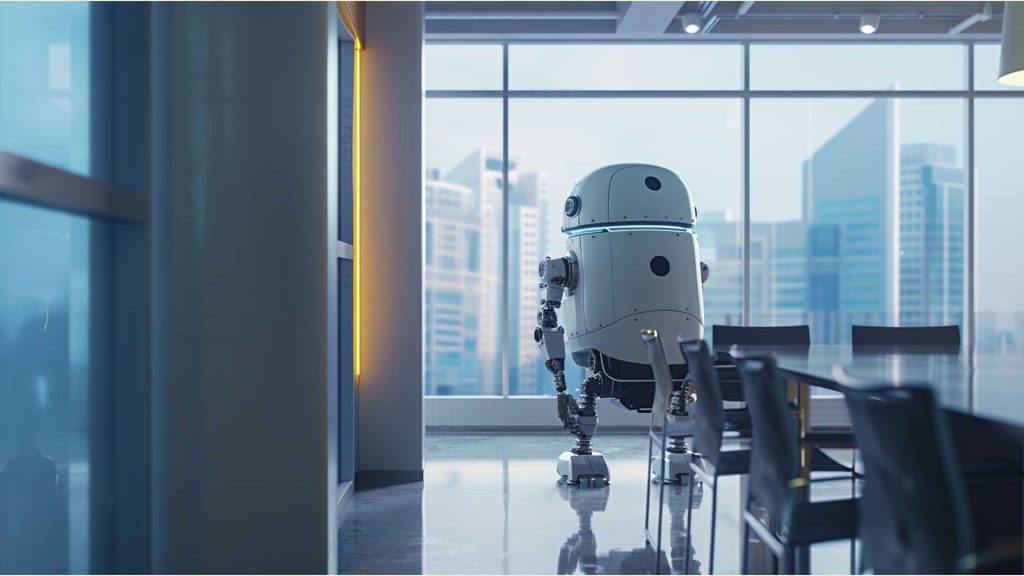
AI Imagery isn’t perfect… but it is making high-end photography accessible to more businesses than ever before. You might not have a million-dollar creative budget like your corporate competition, but now you have a tool to compete anyways.
Here are the three key reasons why AI generated imagery is a great solution for marketing:
- Ease of Creation: Gone are the days of scouring stock photo sites or scheduling photoshoots. With AI, you can conjure up images faster than you can say “abracadabra.”
- Brand Consistency: Want your visuals to scream your brand from the rooftops? AI lets you create branded imagery on any subject, ensuring your visual identity is as consistent as your coffee order.
- Affordability: Let’s face it, professional photography can cost an arm and a leg (and maybe a kidney). AI imagery gives your wallet a break without breaking your brand’s visual bank.
The Not-So-Pretty Picture: Drawbacks of AI Imagery
But hold your horses, digital Picasso. AI imagery isn’t all rainbows and unicorns:
- Quantity over Quality: Sometimes, you’ll need to generate more images than a tourist at the Eiffel Tower to find that perfect shot.
- Quirky Quirks: AI still struggles with some elements, like hands and faces. Unless you’re going for a surrealist vibe, this can be a problem.
- Trademark Troubles: The jury’s still out on whether you can trademark AI-generated images. It’s murkier than a swamp in legal terms.
The Ethical Elephant in the Room
Now, let’s address the ethical elephant doing the cha-cha in the corner. AI images are created using databases of existing images, which raises some eyebrows:
- Is it fair to photographers, models, and graphic designers whose work might be indirectly used?
- Are we replacing human creativity with machine-learning algorithms?
Here’s our two cents: AI images shouldn’t replace original photography or design. Instead, think of them as the Robin to your Batman – a sidekick that enhances and expands your visual storytelling. Used responsibly, AI imagery can complement human creativity, not replace it.
Tools of the Trade: Top 5 AI Image Generators
There are a ton of options when it comes to AI image generation… but only a few that really fit the bill when it comes to generating consistent marketing assets for brands. You need to be able to customize enough to distinguish your brands with every image you create, and only a few do that well.
- Midjourney: The Picasso of AI image generation, known for its artistic flair.
- DALL-E: OpenAI’s wunderkind that turns text into visual magic.
- Stable Diffusion: The open-source maverick making waves in the AI community.
- Jasper Art: The marketing-focused AI that speaks your brand’s language.
- Artbreeder: The mad scientist’s lab for blending and evolving AI art.
The AI-Branding Academy’s Guide to AI Image Mastery
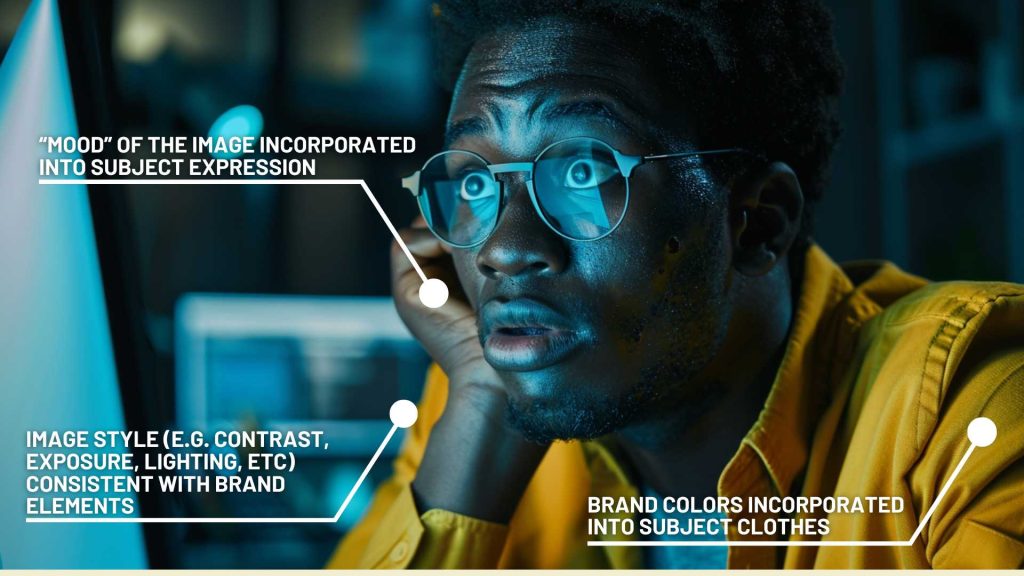
Now, let’s get down to brass tacks. How do you create AI imagery that doesn’t just look good, but screams your brand from the digital rooftops? The AI-Branding Academy recommends Midjourney for this task, and here’s why: it offers unparalleled control over the output, allowing you to infuse your brand’s DNA into every pixel.
Here’s your step-by-step guide to creating brand-aligned AI imagery:
- INPUT IMAGE DESCRIPTION: Be as specific as a DNA sequence. Want a futuristic cityscape with flying cars? Broadly define what you’re looking for by adding the essential elements of the image you need.
- INPUT COLOR SCHEME SUMMARY: Input your primary, secondary, and tertiary colors.
- SELECT MOOD: Defining the “mood” of the image you want to create is the easiest way to connect with your audience and personalize your branding.
- SELECT REALISM: Do you need photo-like imagery or stylized images? The amount of “realism” in your images should fit your brand.
- SELECT IMAGE STYLE: Photography, illustration, 3D render? The style of each image should match what your audience will respond to best.
- SELECT ASPECT RATIO: Square for Instagram? Widescreen for web banners? You’re the boss.
- SELECT RESOLUTION: From “good enough for a thumbnail” to “you can see individual atoms.”
- SELECT STYLIZATION: How much artistic flair do you want? A pinch or the whole spice rack?
- SELECT CHAOS: Want your image as orderly as a military parade or as wild as a cat on catnip? You decide.
Remember, creating the perfect AI image is like brewing the perfect cup of coffee – it takes practice, patience, and a willingness to experiment. But with these parameters in your toolkit, you’re well on your way to creating visuals that’ll make your brand shine brighter than a supernova in a sea of marketing mediocrity.
Want the AI-Branding Academy cheat-code? Check out the Midjourney Prompt Generator:
Picture Perfect: The Visual Virtuosos of Marketing Campaigns
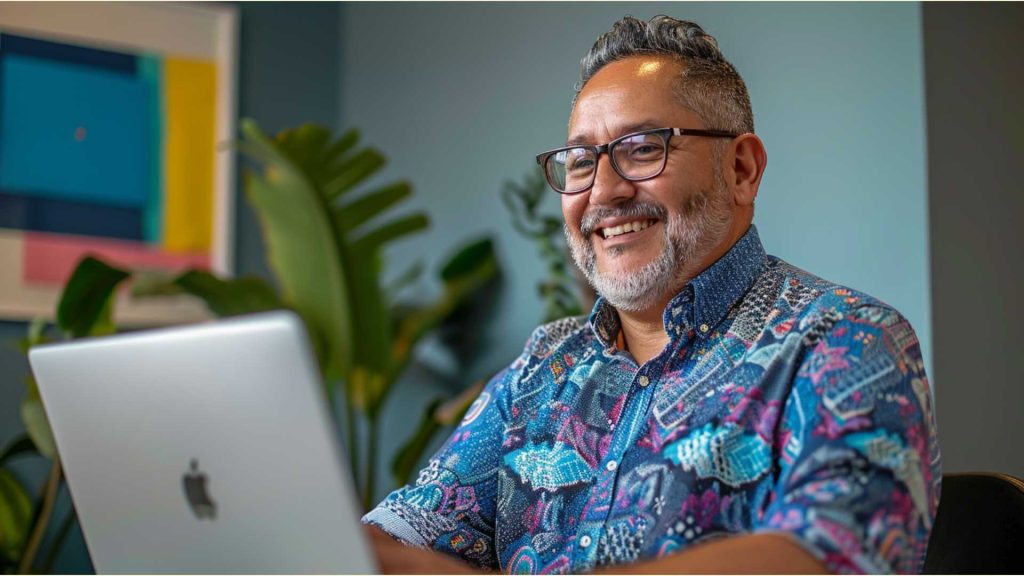
Now that we’ve sketched out the landscape of AI image generation, let’s zoom in on the canvas of marketing campaigns.
Understanding where and how to deploy your visual arsenal is like knowing exactly where to hang each painting in an art gallery – it’s crucial for creating a cohesive and impactful exhibition of your brand.
- Hero Images for Landing Pages: These are the visual headliners of your digital stage. Like a magazine cover that makes you do a double-take, a striking hero image on your landing page can be the difference between a bounce and a conversion. Whether it’s a product showcase or a lifestyle shot that resonates with your audience, this is where your AI-generated masterpiece takes center stage.
- Featured Images for Blog Posts: Think of these as the book covers in your content library. A compelling featured image not only breaks up text but also serves as a visual summary of your article. When shared on social media, it’s the thumbnail that can make someone click faster than you can say “viral content.”
- Background Images for Ads: The unsung heroes of digital advertising, background images set the tone without stealing the spotlight. Whether it’s a subtle texture or a full-scene backdrop, the right background can make your ad copy pop like fireworks against a night sky.
- Social Media Post Visuals: In the fast-scrolling world of social feeds, your images need to work harder than a barista during morning rush. From Instagram carousels to Twitter cards, each platform has its own visual real estate. AI can help you tailor images that stop thumbs in their tracks, whether it’s an infographic for LinkedIn or a meme-worthy graphic for Facebook.
- Email Header Images: The inbox is a battlefield, and your email header image is your standard-bearer. A well-crafted header can be the difference between “open” and “delete,” setting the tone for your entire message faster than you can say “You’ve got mail.”
- Product Photography Alternatives: While nothing beats professional product photos, AI-generated images can be a game-changer for conceptual shots or showcasing products in aspirational settings. Imagine displaying your new line of camping gear against an AI-generated backdrop of the Milky Way over Mount Everest – no expensive location shoot required.
- Infographic Elements: Data can be as dry as day-old toast, but the right visuals can make it more digestible than a smoothie. AI can help create custom icons, illustrations, and data visualizations that turn complex information into a visual feast.
- Banner Ads: Whether they’re hanging out at the top of a website or sliding into the sidebar, banner ads need to catch eyes faster than a cat video. AI-generated images can help you create infinite variations to keep your campaigns fresh and your click-through rates climbing.
- Thumbnails for Video Content: In the world of video marketing, the thumbnail is your movie poster. An AI-generated eye-catcher can be the ticket that gets people to hit play faster than you can say “streaming service binge.”
- Lifestyle Imagery for Branding: Sometimes, you need to show your product in action or represent your brand’s vibe. AI can help create consistent lifestyle imagery that resonates with your audience, whether it’s people using your product or scenes that embody your brand values.
Understanding these visual virtuosos of marketing campaigns is like having a roadmap in the wild world of content creation.
Whether you’re using AI to generate these images or crafting them by hand, knowing where and how to deploy them will ensure your visuals aren’t just pretty pictures, but hardworking marketing assets that pull their weight in gold. So go forth, visual virtuoso, and let your AI-assisted creativity shine brighter than a supernova in the vast universe of digital marketing!
Need Some Inspiration?
AI image generation gives marketers the ability to create amazing, branded marketing campaigns without hours looking for stock images or running expensive and timely photo shoots. Here’s some ideas to get you going.


